
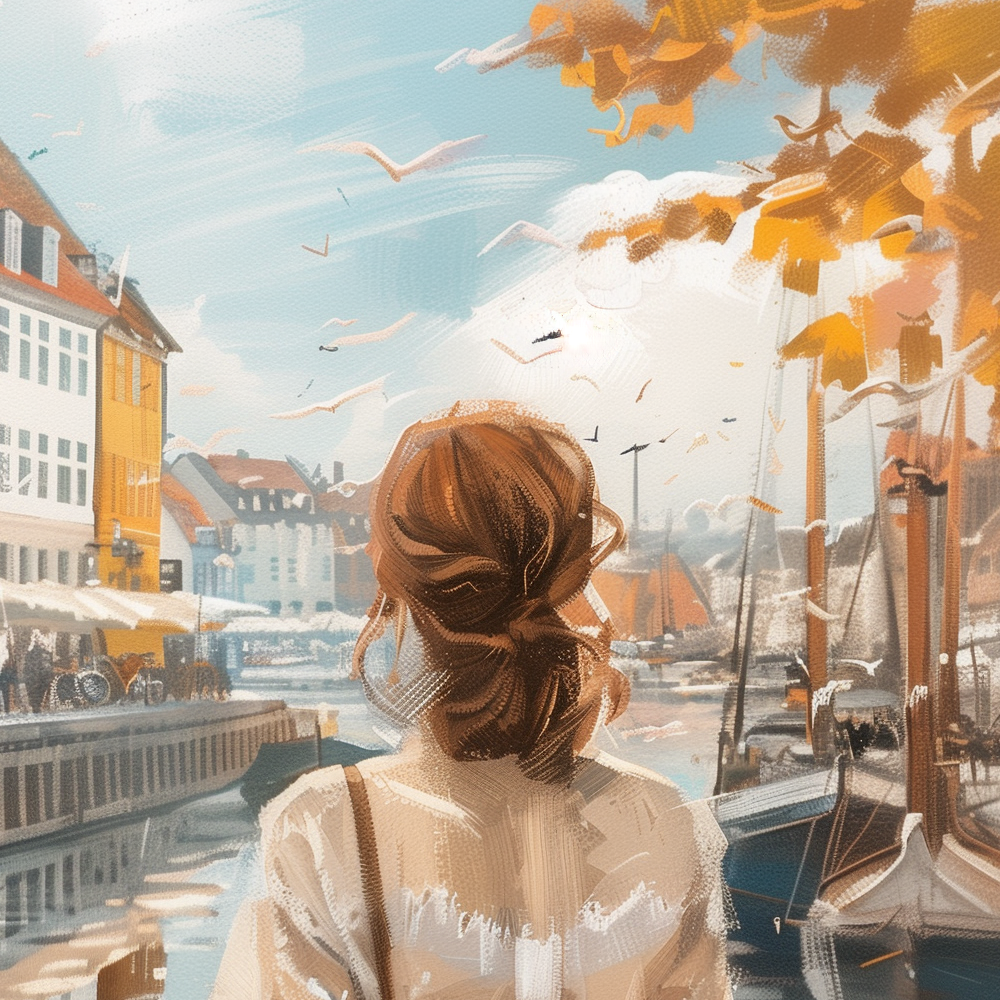
I walk into Copenhagen Zoo with low expectations and a very specific mood: curious, caffeinated, and mildly judgmental. Zoos can go either way, and I am not here for anything that feels dated, chaotic, or ethically questionable. Fortunately, Copenhagen delivers—as it tends to—by doing the most while making it look effortless.
Set in Frederiksberg, the zoo feels less like a tourist attraction and more like a well-designed urban enclave. Think green corridors, restrained signage, and architecture that knows exactly what it is doing. The Elephant House by Norman Foster is the obvious flex—sleek, sculptural, quietly expensive-looking. It does not scream for attention, which is exactly why it works. The elephants move through the space with an ease that makes you realize how much thought went into every curve and transition. Function first, aesthetics second, confidence always.
I drift through the paths the way one does in Copenhagen: unhurried, observant, pretending I am not impressed while very much being impressed. Each habitat feels intentional, never crowded, never chaotic. There is space to breathe, to pause, to actually watch instead of consume. It is giving urban planning excellence, but make it wildlife.

Near the Children’s Zoo, I abandon all pretenses of being delicate and order a burger with fries. It is simple, unfussy, and exactly what I want. I eat at an outdoor table, surrounded by the low hum of families and the occasional burst of laughter, appreciating that even here, sustainability is handled with quiet competence. Compostable trays, minimal waste, no unnecessary branding. Copenhagen does not need to explain itself.
The Arctic Ring is where the zoo really commits. Underground, cool, cinematic. Polar bears glide past the glass with that infuriating kind of grace that makes you reconsider your entire posture. Everyone goes quiet—not because they are told to, but because the moment demands it. It is immersive without being dramatic, powerful without being indulgent. A masterclass in restraint.
What I appreciate most is the tone. The zoo trusts its audience to be intelligent. Signage is clean and direct, offering context without moralizing. Conservation stories are present but never heavy-handed. You leave informed, not lectured. Very European. Very refreshing.
Every so often, the city reminds you it is right there—rooftops peeking through trees, cyclists gliding past the perimeter. This is not an escape from Copenhagen; it is an extension of it. The zoo reflects the city’s broader philosophy: thoughtful design, ethical choices, and a refusal to overexplain itself.
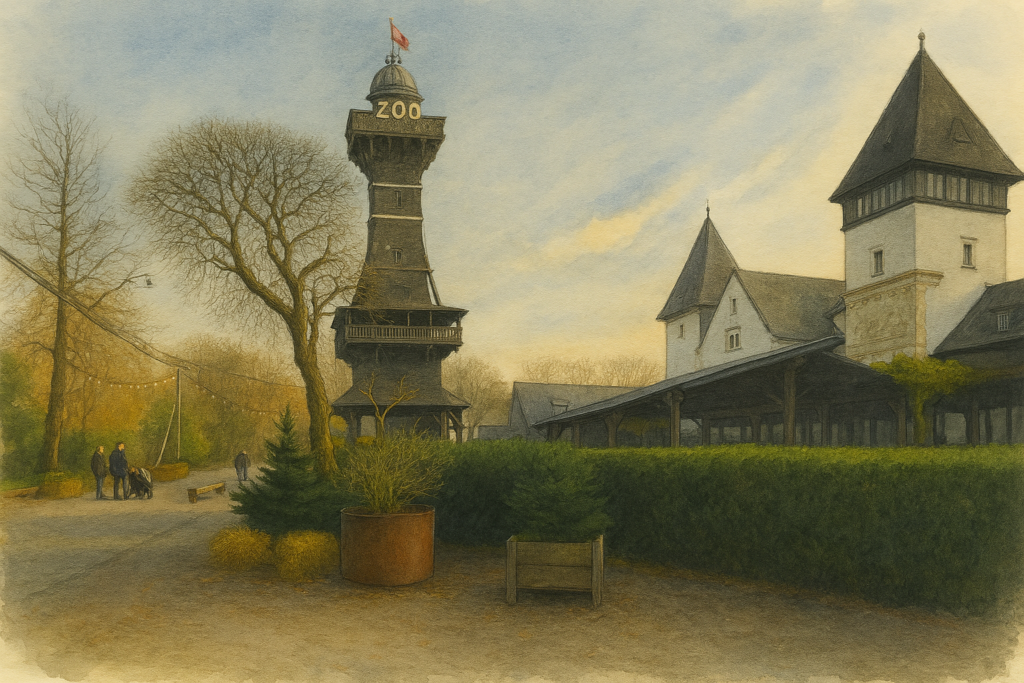
I leave as the light softens into that impossibly flattering Nordic glow, passing the old observation tower like a subtle nod to history. It works because it is not trying to be charming. It just is.
Copenhagen Zoo is cool in that quiet, assured way that cannot be replicated. It does not beg for approval. It assumes you will get it—or not. Either way, it carries on. And frankly, I respect that.
She doesn’t get a matcha but a burger with fries near the Children’s zoo
I walk into Copenhagen Zoo with low expectations and a very specific mood: curious, caffeinated, and mildly judgmental. Zoos can go either way, and I am not here for anything that feels dated, chaotic, or ethically questionable. Fortunately, Copenhagen delivers—as it tends to—by doing the most while making it look effortless.
Set in Frederiksberg, the zoo feels less like a tourist attraction and more like a well-designed urban enclave. Think green corridors, restrained signage, and architecture that knows exactly what it is doing. The Elephant House by Norman Foster is the obvious flex—sleek, sculptural, quietly expensive-looking. It does not scream for attention, which is exactly why it works. The elephants move through the space with an ease that makes you realize how much thought went into every curve and transition. Function first, aesthetics second, confidence always.
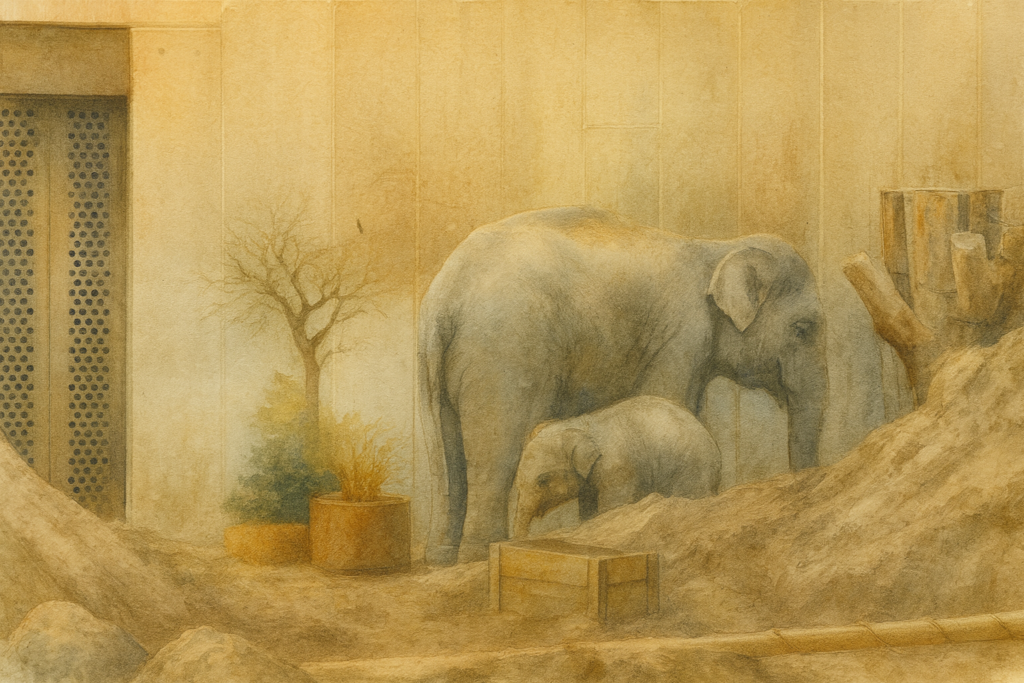
I drift through the paths the way one does in Copenhagen: unhurried, observant, pretending I am not impressed while very much being impressed. Each habitat feels intentional, never crowded, never chaotic. There is space to breathe, to pause, to actually watch instead of consume. It is giving urban planning excellence, but make it wildlife.
Near the Children’s Zoo, I abandon all pretenses of being delicate and order a burger with fries. It is simple, unfussy, and exactly what I want. I eat at an outdoor table, surrounded by the low hum of families and the occasional burst of laughter, appreciating that even here, sustainability is handled with quiet competence. Compostable trays, minimal waste, no unnecessary branding. Copenhagen does not need to explain itself.
The Arctic Ring is where the zoo really commits. Underground, cool, cinematic. Polar bears glide past the glass with that infuriating kind of grace that makes you reconsider your entire posture. Everyone goes quiet—not because they are told to, but because the moment demands it. It is immersive without being dramatic, powerful without being indulgent. A masterclass in restraint.
What I appreciate most is the tone. The zoo trusts its audience to be intelligent. Signage is clean and direct, offering context without moralizing. Conservation stories are present but never heavy-handed. You leave informed, not lectured. Very European. Very refreshing.
Every so often, the city reminds you it is right there—rooftops peeking through trees, cyclists gliding past the perimeter. This is not an escape from Copenhagen; it is an extension of it. The zoo reflects the city’s broader philosophy: thoughtful design, ethical choices, and a refusal to overexplain itself.
I leave as the light softens into that impossibly flattering Nordic glow, passing the old observation tower like a subtle nod to history. It works because it is not trying to be charming. It just is.
Copenhagen Zoo is cool in that quiet, assured way that cannot be replicated. It does not beg for approval. It assumes you will get it—or not. Either way, it carries on. And frankly, I respect that.